


In today’s fast-paced business environment, stress has become the new normal for many leaders. Yet, how we react to stress depends largely on our levels of coherence and resilience.
Research in neuroscience and psychophysiology shows that resilience isn’t about eliminating stress, but about regulating our response to it in real time (McCraty & Childre, HeartMath Institute, 2010).
Here’s a quick self-assessment to help you evaluate your current stress levels and their impact on your well-being and leadership...
Low stress levels
- I feel well.
- I can relax.
- Physical activity brings me pleasure.
- Increasing pressure enhances my performance.
- My thinking is clear, and I learn easily.
- I can say “No.”
- Others see me as adaptable and approachable.
- Others see me as energized and successful.
Moderate stress levels
- I feel driven, hyperactive, and restless.
- I tend to make snap decisions—but with errors.
- I feel over-burdened but can still say “No.”
- I often feel tired but am taking steps to recover.
- I try to squeeze a few extra drops out of my performance.
- Discipline, fitness, social pressure, and stimulants sustain me.
- My sleep is just about adequate.
- Others see me as tired yet successful.
High stress levels
- I don’t think as clearly as I used to.
- I feel irritable and “on edge.”
- I complain and grumble regularly.
- I work longer hours but get less done.
- I experience repeated minor ailments, aches, and pains.
- I am exhausted, with poor endurance, and my work-life balance is suffering.
- I can’t distinguish the essential from the non-essential.
- I have sleep problems.
- I feel like I’m operating in survival mode.
- I accept excessive burdens as inevitable.
If you recognize yourself in the low-stress category, congratulations! You are already building a strong foundation of vitality and resilience. The good news? You can elevate and sustain this state even further.
If you identify with the moderate or high-stress categories, change is possible. With the right science-based strategies—like heart-focused breathing, biofeedback, and micro-recovery practices—you can quickly transform your well-being and performance.
#StressManagement#HealthAndWellBeingAtWork #ResilientLeadership
Every month, I reserve a handful of conversations with leaders who want to explore how resilience and emotional self-regulation can translate into clearer thinking, stronger presence, and greater impact. If you’d like to experience these practices first-hand and see what they could mean for your leadership, you can book a complimentary strategy conversation here.
Photo Credit: Shutterstock.com
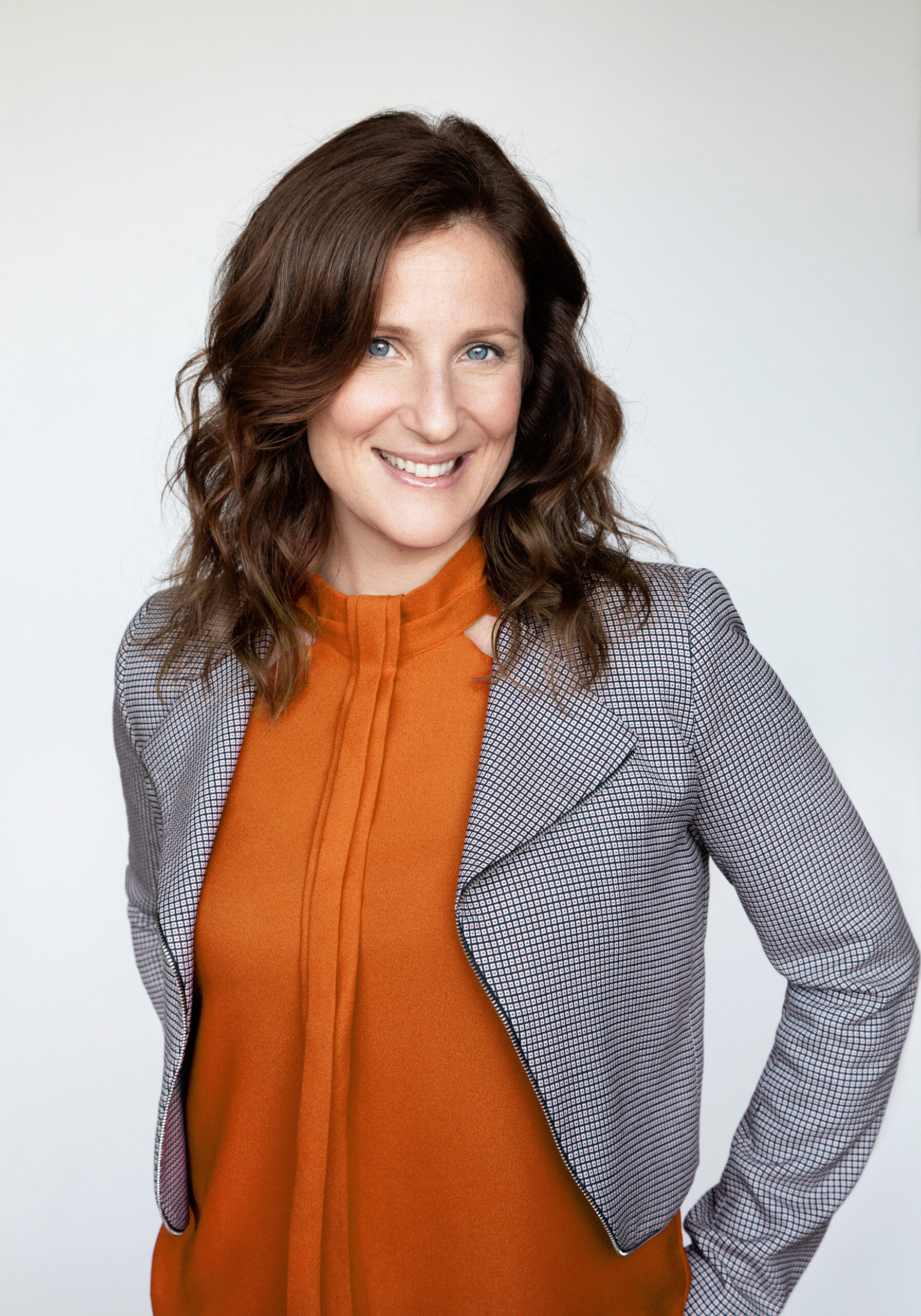
Business Transformation Consultant | Leadership Coach | Team Facilitator
With 25+ years of global HR leadership experience, I help leaders and teams build resilience, agility, and lasting performance. My approach blends science-based methods, psychometric tools, and coaching expertise to strengthen culture, elevate leadership presence, and unlock human potential.
Certified in advanced leadership development and resilience-building (HeartMath®, Brave Thinking® Institute, Canada Coaching & Mentoring Academy), and an Advanced SuccessFinder Practitioner. I serve as a speaker on resilience and leadership transformation and I am proud to give back as a coach with Up With Women, supporting women and gender-diverse individuals rebuilding their careers.
Leave a Reply